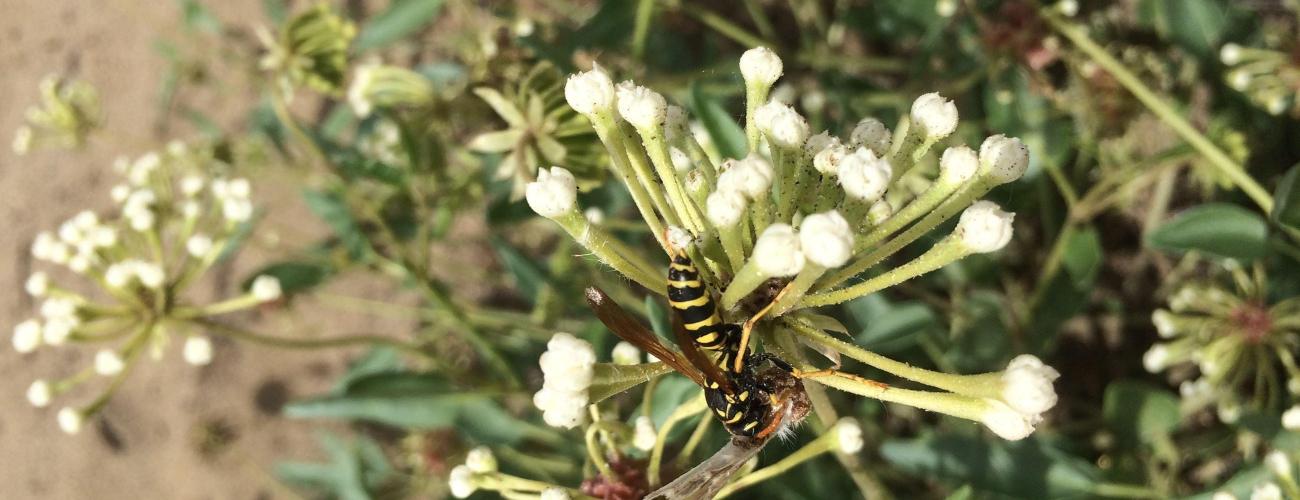
What's the buzz on pollinators
State parks are a wonderful place to enjoy all the joys pollinators bring. Many people go to parks to enjoy and photograph our state's wide variety of native and cultivated (non-native) plants and trees growing and blooming at many times of year.
But admiration of flowers should certainly not be limited to photographers, nature lovers or gardeners. They deserve the praise of anyone who eats food.
It‘s estimated that pollinators contribute to one out of every three bites of food we eat! Pollinators also add billions to the world economy by making it possible for many crops to develop and grow.
How does pollination work?
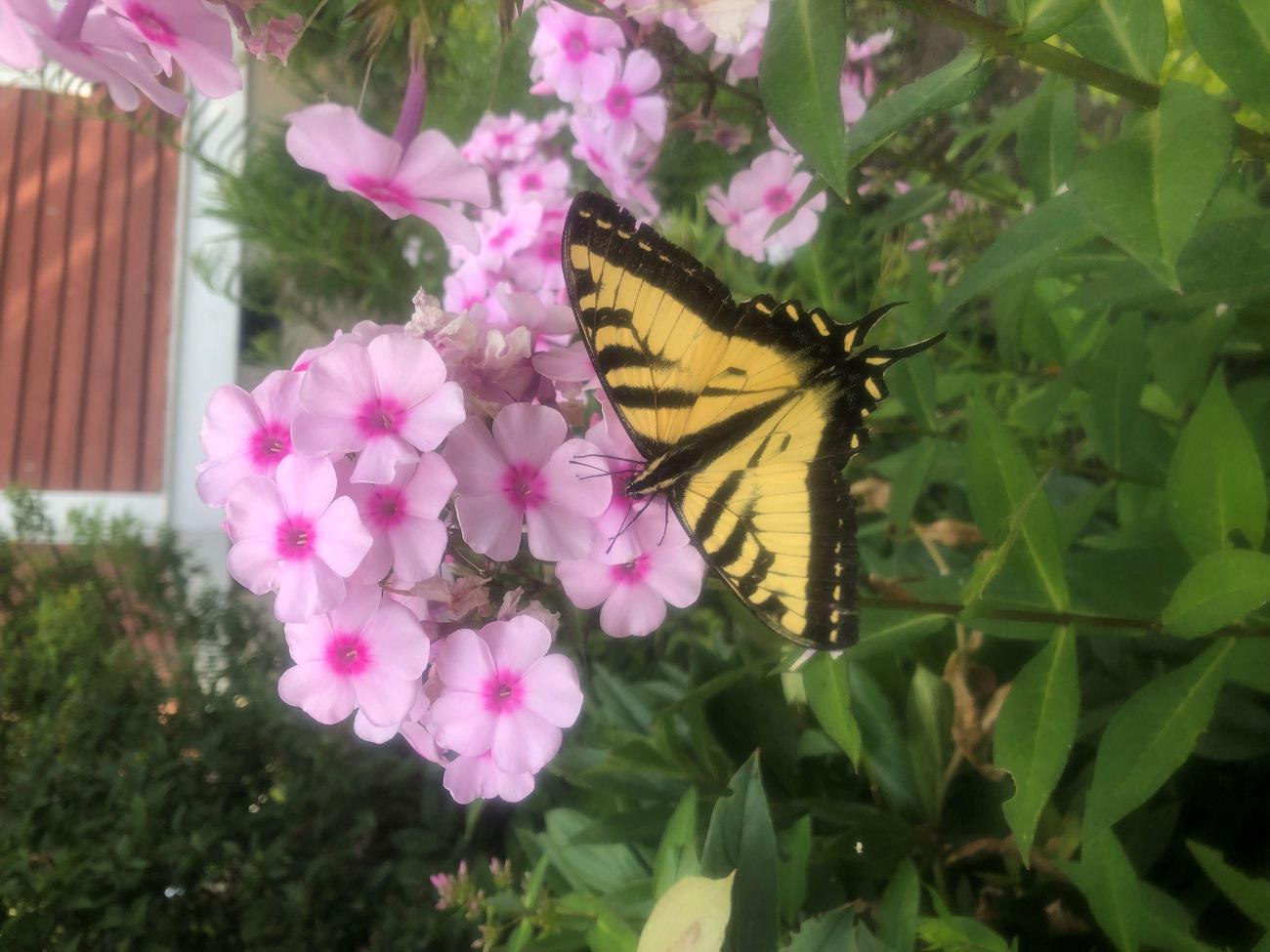
Pollination of plants occurs when a grain of pollen is transferred from the stamen (male part) to the pistil (female part) of the flower. This action then sets into motion a process that eventually allows the plant to produce seeds, fruits and then future generations of the same plant. There are a few ways in which this process can occur: self-pollination, movement provided from wind or water, or the transfer of pollen from an animal, also known as a pollinator.
Scientists estimate that animals perform 80% of plant pollination.
In the end, pollinators are largely responsible for the numerous fruits, nuts and vegetables that we rely on for a healthy diet. Plants such as alfalfa consumed by livestock also require pollination, usually accomplished by bees.
Hey kids! Want to learn more about the parts of a plant and how pollination works? Check out this video from Dr. Binocs.
That's not all that pollinators do!
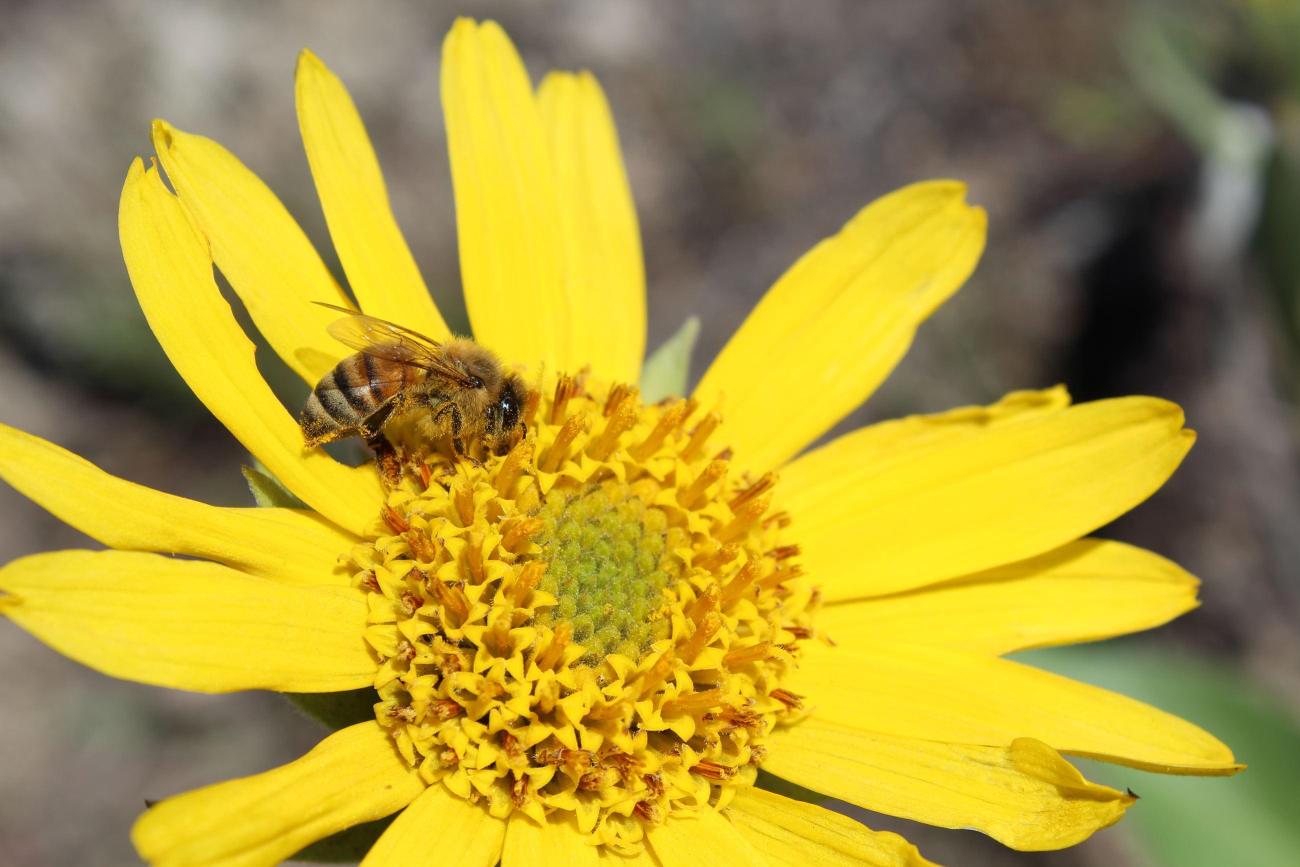
Flowering plants act as an air-filtration system by capturing and using carbon dioxide produced by other plants and animals. This helps to provide cleaner air for all animals, including humans.
Plants also assist in purifying water and preventing soil erosion! They contribute to the water cycle when they release moisture into the atmosphere, while the roots of flowering plants help to stabilize soil. Pollinators make this all possible by playing a key role in the reproduction of these plants.
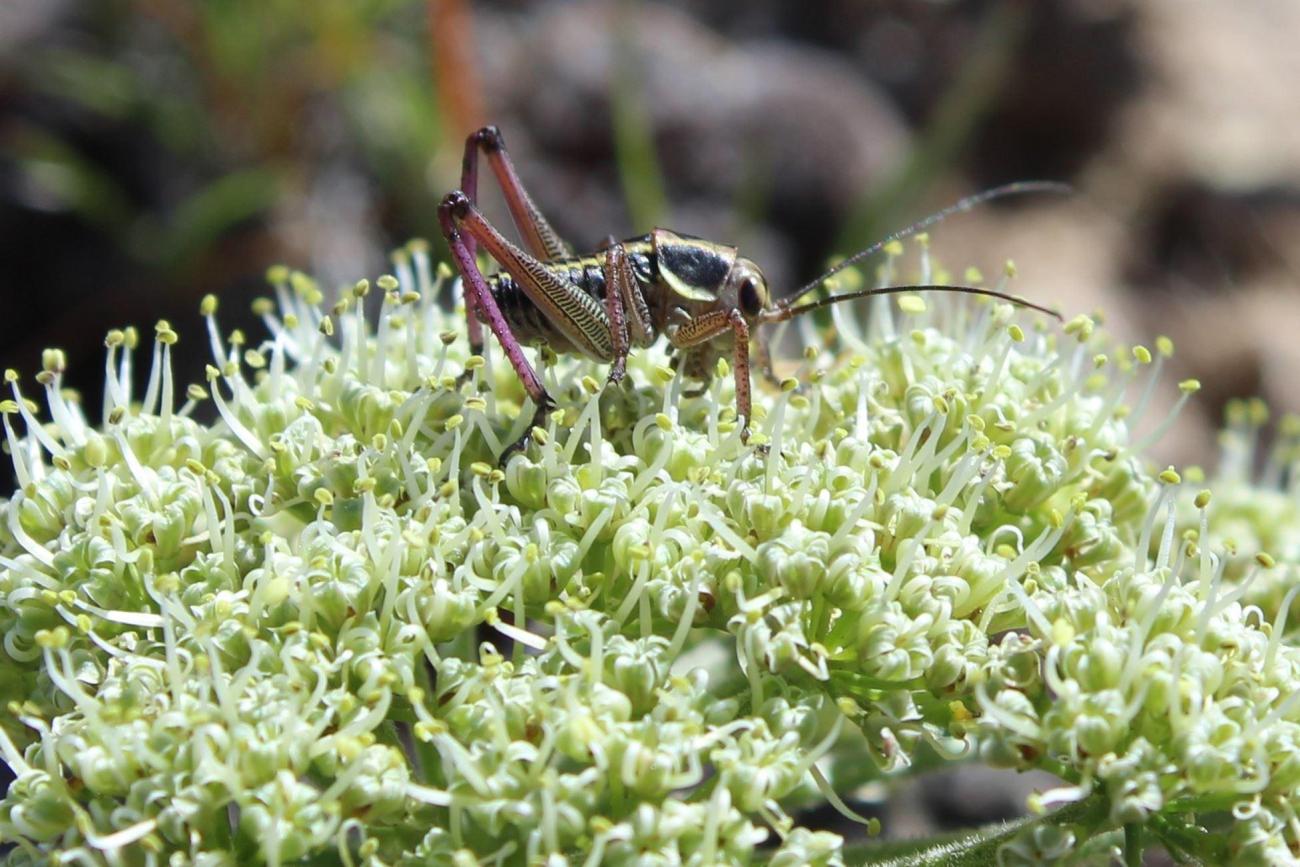
Pollinators need our help!
In some areas, pollinator populations are declining. This is largely due to habitat loss and an overall reduction in the amount of feeding and nesting sites.
What can we do?
- Leave dandelions in your yard, plant pollinator gardens, build a hummingbird feeder, etc.
- Download this free guide to find out to what native plants are recommended to help out pollinators in your area.
- Create a pollinator garden.
See a pollinator in action!
Check out this video of a Hunt's bumblebee buzzing through the blossoms at Olmstead Place State Park. Video captured by Parks Interpretive Specialist Laura Busby.
Many thanks to Kevin Lieske, State Parks interpretive specialist at Ginkgo Petrified Forest State Park. While working at Ginkgo, Kevin has had many opportunities to observe the shrub-steppe ecosystem and marvel at the gifts pollinators bring.
Originally published July 21, 2020


